About 486 minutes
Spirit-of-iron (Manitou-pewabic) — Context and Discussion
Adventure Picaresque Fiction
111,580 recorded words. 46 minutes difference from this book's estimate.
View Gutenberg source #74974
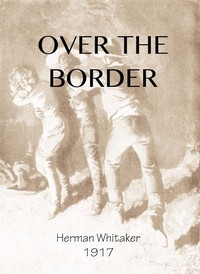
The source record for Over the Border: A Novel — Key Ideas to Explore measures this digital text at 122,286 words, 8 hr 52 min estimated reading time, and 47 detected text sections.
The text analysis averages about 15.4 words per sentence, while the detected sections provide another way to judge how the source is divided.
Project Gutenberg metadata also associates the work with “Western stories,” connecting these edition facts with the source record’s subject description.
Explore this collection
These alternatives are selected using recorded categories and estimated reading time.
About 486 minutes
Adventure Picaresque Fiction
111,580 recorded words. 46 minutes difference from this book's estimate.
View Gutenberg source #74974About 428 minutes
Adventure Picaresque Fiction
98,286 recorded words. 104 minutes difference from this book's estimate.
View Gutenberg source #21368About 427 minutes
Adventure Picaresque Fiction
98,005 recorded words. 105 minutes difference from this book's estimate.
View Gutenberg source #42535Search stored excerpts and compare books → Choose by your preferences →
Choices use stored catalog measurements. Estimates vary with reading speed. A shared category is a catalog label, not a claim that two books have the same argument or literary quality.
Search reads excerpt text stored with this catalog and links to its associated Gutenberg record. The connection is stored in the site database; this tool does not recheck that every excerpt is word-for-word identical to that external record. Excerpt search does not cover every chapter and does not verify historical publication dates.
Catalog snapshot checked: 2026-09-26. Coverage: 94 public books, 94 available source excerpts.
Calculated from edition completeness, EPUB availability, text structure and catalogue metadata. Not a user rating.
Total of 100 points, scaled to a 2.5-5.0 range. Editions with an empty description or a missing EPUB file are not scored.
Public-domain source text
The source text is kept in the dedicated reader, separate from this catalogue record and its commentary.
The novel begins with a striking description of the Three Bad Men's lair, set in the Mexican desert. The prose is lush and painterly, depicting a landscape of "shattered rainbows," "crimson-and-gold mountains," and "little golden dust-whorls." This opening establishes a tone of romantic adventure, but also hints at the harshness of the environment. The narrator directly addresses the reader, calling it "the very place for a lair."
Later excerpts shift dramatically to domestic scenes: a tea party on a veranda, a child snuggling in Bull's arms, and a widow sewing while discussing marriage. This juxtaposition suggests the novel may balance outlaw exploits with quieter, character-driven moments. The excerpts offer glimpses of romantic tension and emotional vulnerability, particularly in Bull's interactions with the widow and Betty.
The opening chapter devotes considerable space to the desert itself, personifying it as a "magic land" where "anything might be predicted and come to pass." Whitaker uses vivid, almost surreal imagery: yuccas that "fling crazed arms and shrunken limbs like posturing dwarfs," and mesas that "raise orange and vermilion facades out of a violet mirage." This is not a mere backdrop but an active force that shapes the narrative. The desert is described as "a land of deathless calms, cyclonic storms, torrential rains," and its inhabitants are vultures and "little golden dust-whorls." The Three Bad Men have chosen their lair "wisely" because the desert itself offers concealment and romance. Readers should note how this setting influences the characters' actions and moods throughout the story.
The excerpts reveal distinct speech patterns among the characters. Bull speaks in a colloquial, slightly rough manner: "I don't know but I orter go back." Mrs. Mills uses a more refined, teasing tone: "Tea and trouble… A genuine woman's party." Betty, the child, is direct and rebellious: "Any woman that wasn't a downright fool would be glad to have you. I know one that would give her best shoes—" The dialogue often carries subtext, as when the widow discusses marriage with a "little quiver" that reveals her loneliness. Whitaker also uses dialogue to advance romantic tension, as when Betty interrupts Bull's excuses. Pay attention to how characters' voices reveal their backgrounds and desires, and how conversations shift between humor, tension, and vulnerability.
The excerpts show a notable shift from the opening's grand adventure to later scenes of domestic intimacy. The early chapters promise outlaw exploits, but the later excerpts focus on a tea party, sewing, and a child's bedtime. Bull, one of the "Three Bad Men," is shown in a tender light: he lifts Betty onto the veranda, holds her in his arms, and feels "love and pity" for the widow. The widow herself is portrayed with nuanced emotion—she experiences "pleasurable confusion" and "girlish shyness." This contrast suggests the novel may explore the inner lives of its rough characters, moving between violent action and quiet reflection. Readers should consider how these domestic interludes complicate the expected western tropes.
Whitaker repeatedly uses light and darkness to underscore emotional states. The desert is bathed in "intolerable glare," while evening brings "pools of deep indigo" and "warm gloaming" that "wiped out the loneliness with its friendly gloom." The widow's loneliness is emphasized: she is "filled with that sense of vastness before which man in his littleness quails." Bull, too, feels a "big, simple soul… melted with love and pity." The motif of loneliness is tied to the landscape—the desert's vastness mirrors emotional isolation. Even the child Betty senses this, asking Bull why he never married. These recurring elements create a cohesive emotional atmosphere, suggesting that the novel's adventure is underpinned by a search for connection.
As you read, note how the opening's vivid desert setting recurs in later scenes, often reflecting characters' inner states. The shift from outlaw bravado to domestic tenderness may signal a deeper exploration of masculinity and vulnerability. Pay attention to the dialogue's subtext and the recurring imagery of light and shadow. These elements, grounded in the excerpts, offer a lens for understanding the novel's blend of adventure and romance.
Reading about those outlaws crossing into Mexico, I remembered sitting in my grandfather’s study, rain ticking the window, while he described the California foothills the same way—harsh, golden, indifferent. The Gold-Seekers: A Tale of California — Edition Insights stirred that same quiet ache, a landscape that promises freedom but demands everything in return. Both books feel less like stories and more like weather.
A brief reflection can help important ideas stay with you longer.
![Cover of Last of the Great Scouts: The Life Story of William F. Cody ["Buffalo Bill"] — Context and Discussion](https://inesb.com/storage/media/covers/pg1248.jpg)








